Website design services in Dubai and UAE
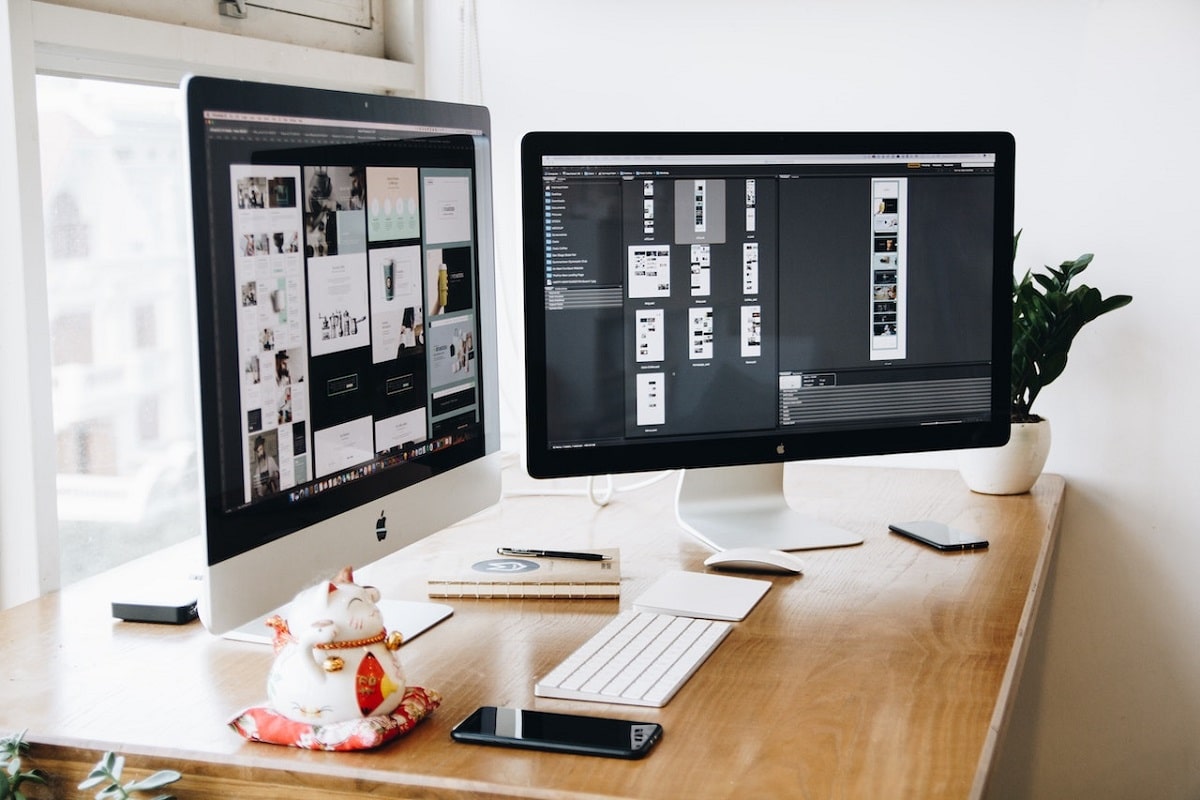
Website design services in Dubai and UAE: In today’s digital economy, a website is no longer just an online brochure.


Web Design is one of the most critical factors in building a successful online presence. In today’s digital world, your website is often the first interaction potential customers have with your business. A professionally designed website not only enhances credibility but also improves user experience, increases conversions, and supports long-term digital marketing success.
Whether you run a startup, corporate company, online store, real estate agency, medical clinic, or service business, investing in professional web design can significantly impact your brand visibility and revenue growth. A modern website acts as a powerful sales and marketing tool that works 24/7 to attract visitors and generate leads.
At WebCity, we design high-performance websites that combine modern aesthetics, user-focused experiences, SEO foundations, and conversion-driven strategies to help businesses grow online.
Web design is the process of planning, creating, and maintaining websites. It involves visual design, user experience (UX), user interface (UI), content structure, navigation, responsiveness, functionality, and technical optimization.
A successful website is not just visually appealing. It must also provide a seamless experience that helps visitors find information quickly and encourages them to take action.
A website is often the digital face of a business. Poor design can drive customers away, while professional design builds trust and increases engagement.
| Benefit | Impact |
|---|---|
| Better First Impression | Builds credibility |
| Higher Conversion Rates | Generates more leads |
| Improved SEO Performance | Increases organic traffic |
| Mobile Compatibility | Better user experience |
| Faster Loading Speed | Reduces bounce rates |
| Brand Consistency | Strengthens recognition |
| Increased Customer Trust | Improves sales potential |
Professional web design creates a strong foundation for business growth and digital marketing success.
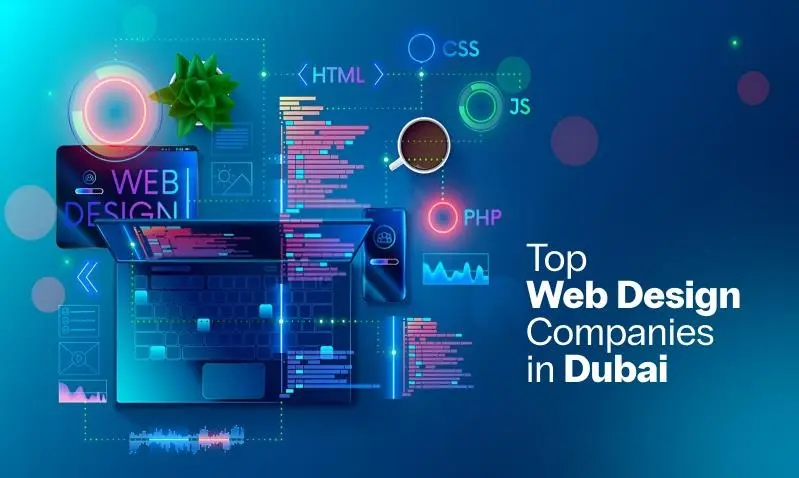
Successful websites follow proven design principles that improve usability and engagement.
Visitors should easily understand your website. Clean layouts and minimal distractions improve usability.
Consistent colors, typography, spacing, and branding create a professional appearance.
More than half of web traffic comes from mobile devices. Responsive design ensures excellent performance on all screen sizes.
Users expect websites to load quickly. Even small delays can reduce conversions and increase bounce rates.
Menus should be intuitive and easy to use. Visitors must find information without frustration.
Every page should guide users toward specific actions such as contacting your business, requesting a quote, or making a purchase.
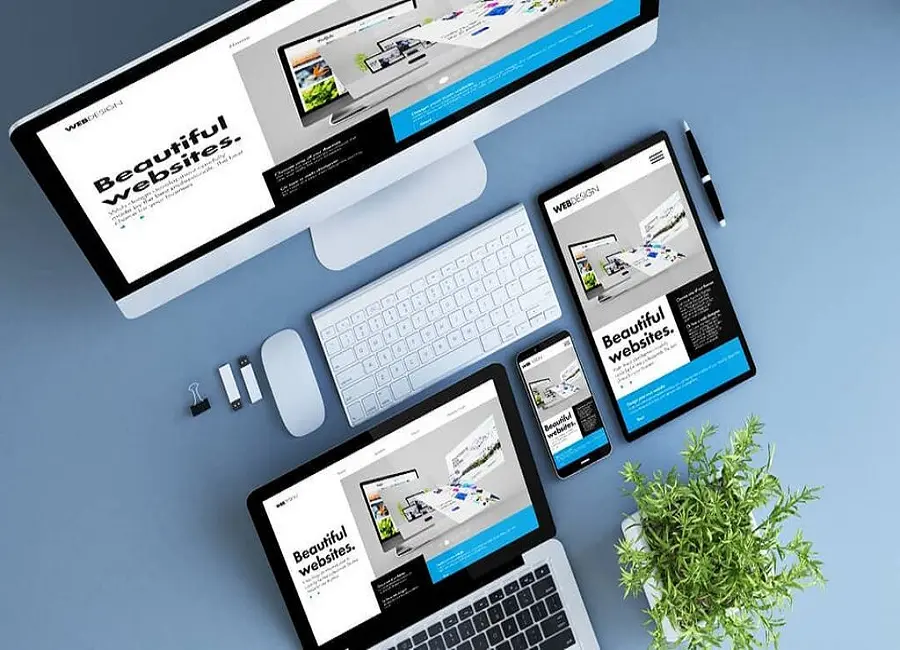
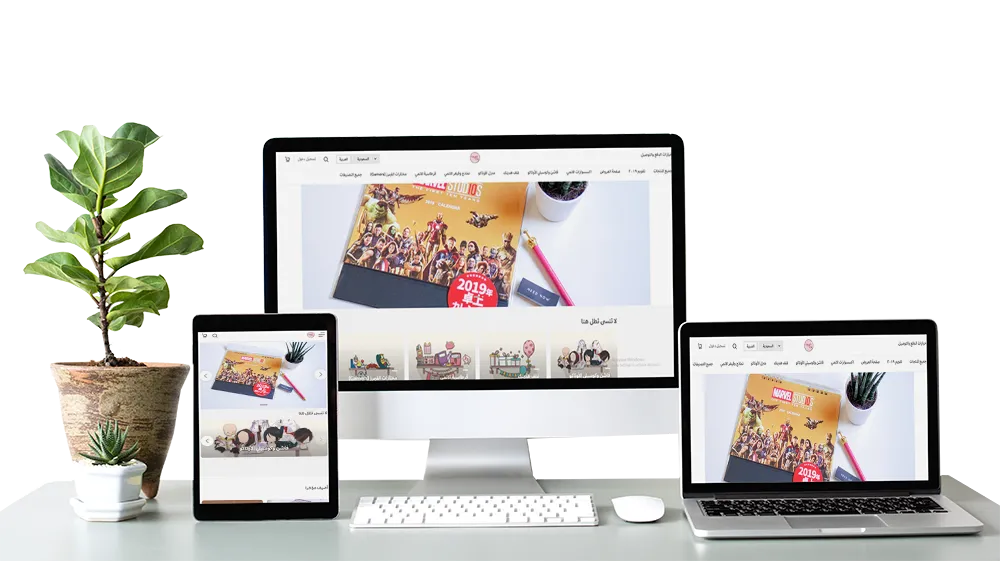
Responsive web design ensures that websites automatically adapt to different devices and screen sizes.
Google prioritizes mobile-friendly websites, making responsiveness essential for SEO success.
User experience focuses on how visitors interact with a website.
A good UX design helps users achieve their goals quickly and efficiently. Poor UX often results in higher bounce rates and lost business opportunities.
Websites designed around user needs consistently outperform competitors.
UI design focuses on visual presentation and interactive elements.
A strong UI creates an attractive and professional appearance while supporting usability.
A visually appealing website increases trust and strengthens brand perception.
SEO and web design should work together from the beginning.
Many businesses invest in SEO after launching a website, but SEO-friendly design creates a stronger foundation for long-term rankings.
| SEO Element | Benefit |
|---|---|
| Fast Speed | Better rankings |
| Mobile-Friendly Design | Improved visibility |
| Clean URLs | Easier indexing |
| Internal Linking | Better crawlability |
| Structured Data | Rich search results |
| Secure HTTPS | Trust and rankings |
| Optimized Images | Faster loading |
Websites designed according to Google standards typically perform better in search results.
Different businesses require different website solutions.
Designed for companies that want to showcase services, expertise, and company information.
Built for online sales with product catalogs, payment systems, and inventory management.
Feature property listings, search filters, maps, and lead generation tools.
Include appointment booking systems and healthcare information.
Provide learning resources, courses, and student portals.
Showcase professional work and achievements.
E-commerce websites require special attention because they directly influence sales performance.
A well-designed online store improves customer experience and boosts sales.
Many businesses unknowingly make mistakes that reduce website performance.
Avoiding these mistakes can significantly improve results.
Modern web design continues to evolve.
Businesses that adopt modern design practices often gain competitive advantages.
Selecting the right partner is crucial.
| Criteria | Importance |
|---|---|
| Portfolio Quality | Very High |
| Industry Experience | High |
| SEO Knowledge | Very High |
| UX/UI Expertise | High |
| Technical Skills | Very High |
| Support Services | High |
| Communication | High |
| Scalability | High |
A reliable web design company should understand both design and business objectives.
At WebCity, we design websites that are built for performance, visibility, and growth.
Our team combines:
We create websites that not only look professional but also help businesses generate measurable results.
Understand business goals and target audiences.
Define website structure and functionality.
Create user-friendly layouts and visual concepts.
Build the website using modern technologies.
Verify performance, responsiveness, and functionality.
Deploy the website and monitor performance.
Continuously improve based on analytics and user behavior.
The future of web design will focus on personalization, automation, speed, and user experience.
Emerging technologies such as artificial intelligence, advanced analytics, and progressive web applications will continue to shape digital experiences.
Businesses that invest in future-ready websites will be better positioned for long-term success.
If you are looking for professional web design services, WebCity can help.
We create responsive, SEO-friendly, conversion-focused websites designed to strengthen your brand, improve visibility, and generate more customers.
Our team develops websites according to modern Google standards and industry best practices, helping businesses compete effectively in today’s digital marketplace.
Web design is the process of creating and maintaining websites, including layout, user experience, visual design, functionality, and performance optimization.
Professional web design improves credibility, user experience, SEO performance, and conversion rates while helping businesses attract more customers.
The cost depends on project complexity, features, customization requirements, and functionality. Corporate and e-commerce websites generally require larger investments.
Responsive web design ensures websites work properly across mobile phones, tablets, laptops, and desktop devices.
Yes. Website speed, mobile optimization, architecture, navigation, and technical structure directly impact search engine rankings.
Most professional websites take several weeks to a few months depending on project scope and functionality requirements.
A good website combines attractive visuals, excellent user experience, fast performance, mobile responsiveness, SEO optimization, and strong conversion-focused elements.
Web design is one of the most important investments a business can make. A professionally designed website improves credibility, increases traffic, generates leads, and supports long-term growth. By combining modern design, SEO foundations, responsive development, and user-focused experiences, businesses can create powerful digital assets that drive measurable results for years to come.